


The key components of brand identity
Brand design and strategy teams collaborate to develop the key components of a brand’s identity, including:
● Positioning is the space a brand occupies in relation to its customers and competitors, for example marketing a brand as the exclusive or economic choice.
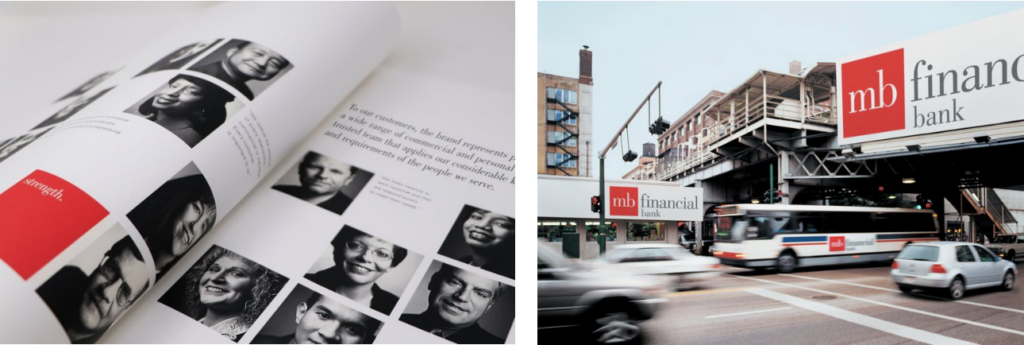
● Logos, typography, and colors are what make a brand instantly recognizable. Brands use visual elements like these to convey specific emotions and communicate a brand’s personality.
● Imagery covers visual elements like photography, website graphics, packaging, and other aspects of the brand aesthetic.
● Messaging includes the taglines, tone of voice, and vocabulary a brand uses to convey its identity. Messaging shapes how customers perceive and interact with a brand.
Together, these elements make up a brand’s style guide. Also known as brand guidelines, a style guide is a set of rules for representing a brand. Style guides are distributed to stakeholders to ensure a brand’s identity stays consistent whether it’s being managed internally or externally.
A company’s brand should reflect its values and communicate authentically with target audiences. Yet for in-house teams wearing multiple hats, that’s often easier said than done. That’s why it’s wise to partner with outside experts to develop your brand’s identity. With the necessary expertise and technical skills, a branding agency can develop high-quality assets and guidelines that represent your brand proudly and empower business growth.